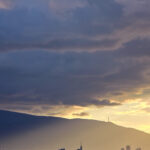
I won’t pretend I wasn’t a little disappointed. Sofia didn’t win the bid — Burgas did, and from what I can tell, deservedly. But the more I sat with it, the more it made a strange kind of sense. Sofia has never been very good at asking for attention. Now it isn’t getting any it wasn’t already owed. Its face is still exactly what you decide to bring home — this time, nobody’s deciding that for you.
Sofia doesn’t have the historical narratives of significance of western capitals, or big marketing campaigns to draw a grotesque of an overly positive image. Even Bulgarians are not the kind of people to brag about their capital, or to be too positive about anything, for that matter. So it stays somewhat undiscovered, authentically shy and “underrated,” or not even “rated,” apart from being cheap. So its face is really what you decide to bring home.
I brought Sofia home every day for five years, while I was at high school. Now I bring myself to work there, hundreds of kilometers every week. One thing that Sofia has always meant to me is excitement.
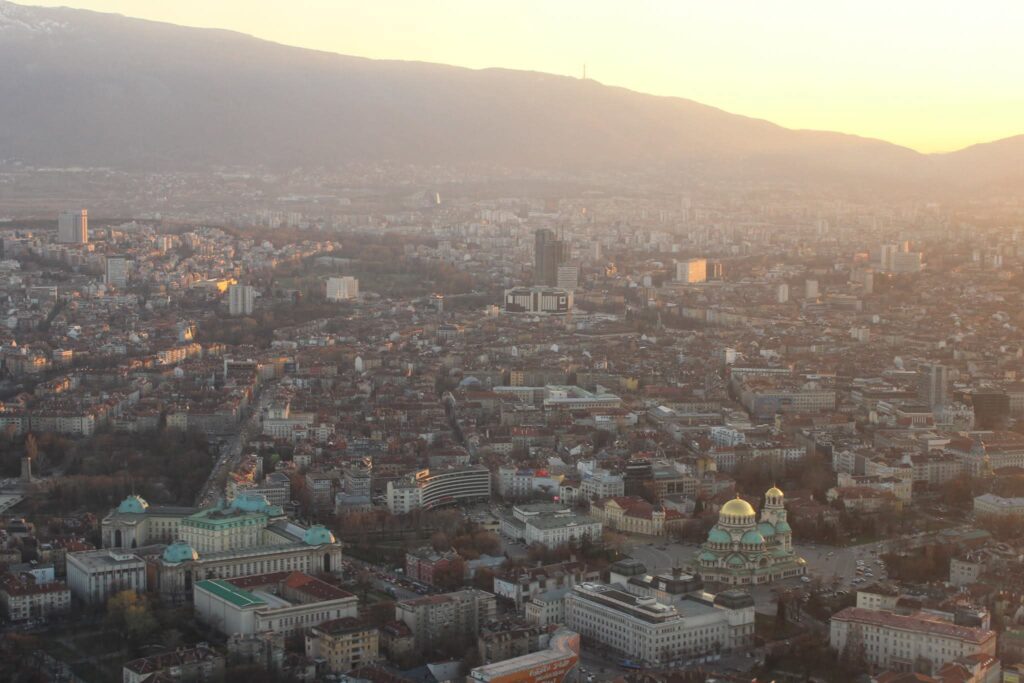
The excitement of little me waiting for the train with my grandma at our neighborhood station, so we can go our usual route for a day trip to the capital: from Sofia Station, via Lion’s Bridge and Maria Luiza Blvd, until we reached the Central Market Hall to take a stroll through the booths of the local producers, then go to TZUM to take a ride on the elevators. Some of these places are now renovated and modernized, some are still the same and are patiently waiting for their time to shine.
Growing up, my grandma often warned me against this area, because of its inhabitants — misunderstood, called outcasts, described as dangerous and looking to do harm — every big city has some of them. Nowadays, this area is one of the most colorful, active and historically rich areas of Sofia’s city center. From the Big Table festival, through the numerous new cafes and restaurants and the historical sights, the quarters locked between Hristo Botev, Slivnitsa, Dondukov and Pirotska somehow survived bias and neglect to become a great example of the direction Sofia is heading. The people that were once scary for a child are not gone — we have just learned to live a better life together. More open, communicative and accepting.
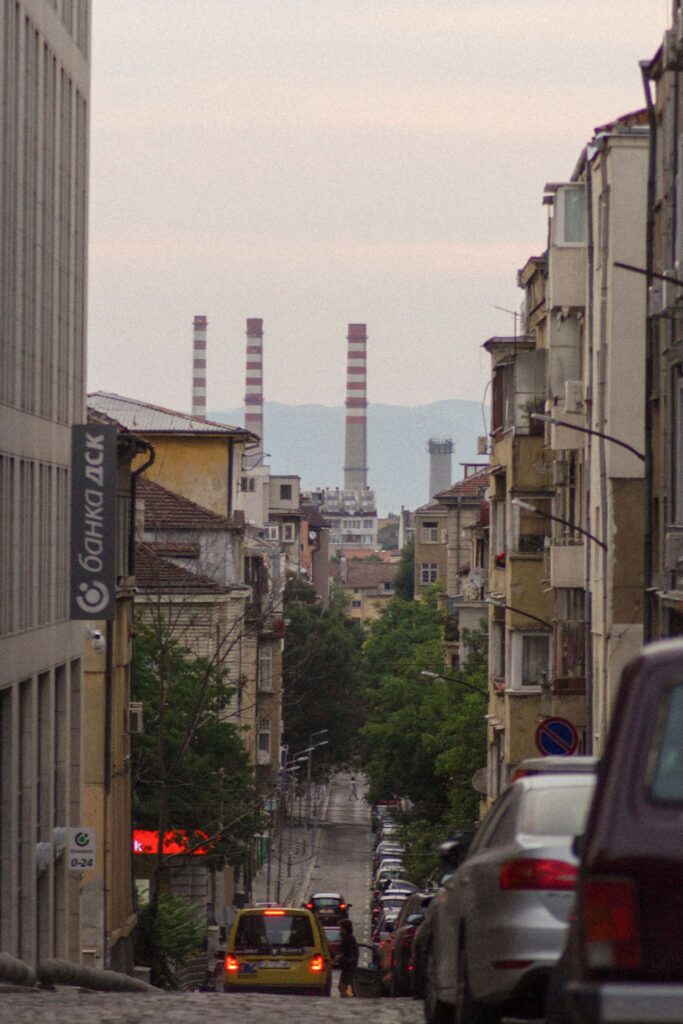
Indeed, some faces are easier to look at than others. Like the face of Druzhba, on Sofia’s eastern edge — Soviet-era apartment blocks around a lake that was never supposed to exist. The lake appeared by accident in the 1970s, when groundwater flooded a construction quarry mid-dig, and the neighborhood simply built a park around it instead of filling it back in. It accidentally became the local community’s favorite hub — people fish there, walk their dogs, go on picnics and play pop-folk from portable speakers.
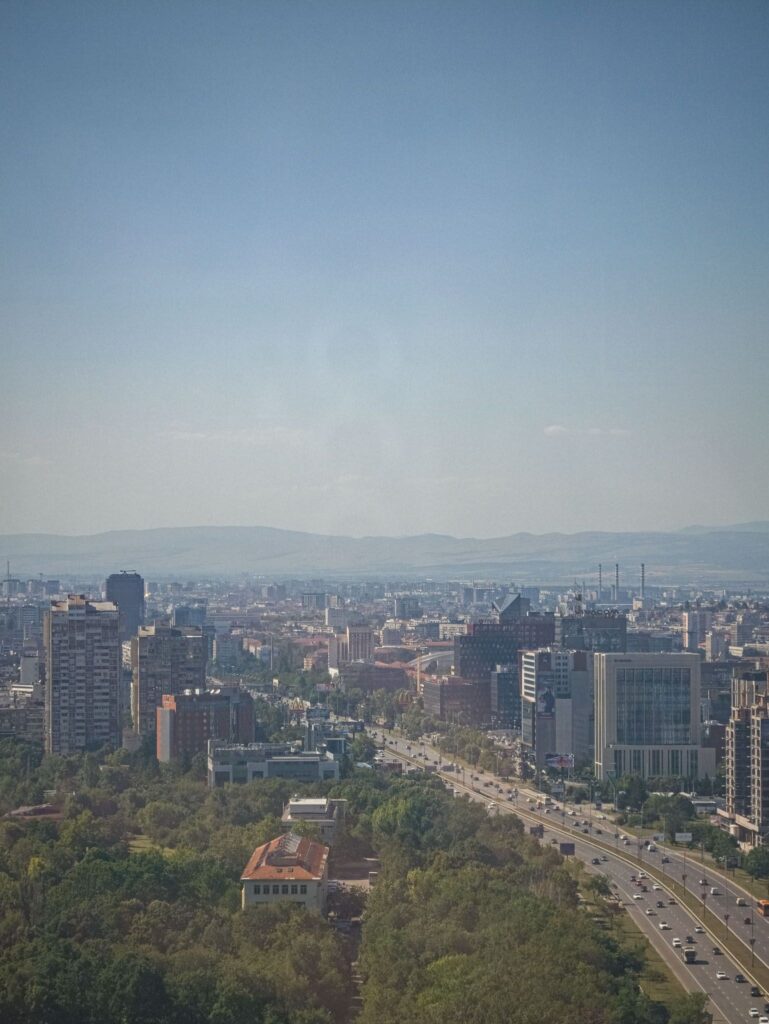
And in the distance, past the blocks, Capital Fort and Sky Fort — the tallest towers in the country — rise over the skyline like monuments of a very different, corporate Sofia. Panel blocks, an accidental lake, and a financial district still finding its shape, sharing the same view. This face doesn’t fit easily into a narrative either, but the picture of Sofia would be lacking without it.
Sofia has a face of pride too — the Yellow Cobblestones, the beautiful buildings alongside Tsar Osvoboditel Boulevard, the National Theatre, the National Assembly and Sofia University. And of course, the Alexander Nevsky Cathedral. All of these places are the product of the ambition of the then-young nation of newly independent Bulgaria of the early 20th century, to show that it belonged to the heart of Europe.
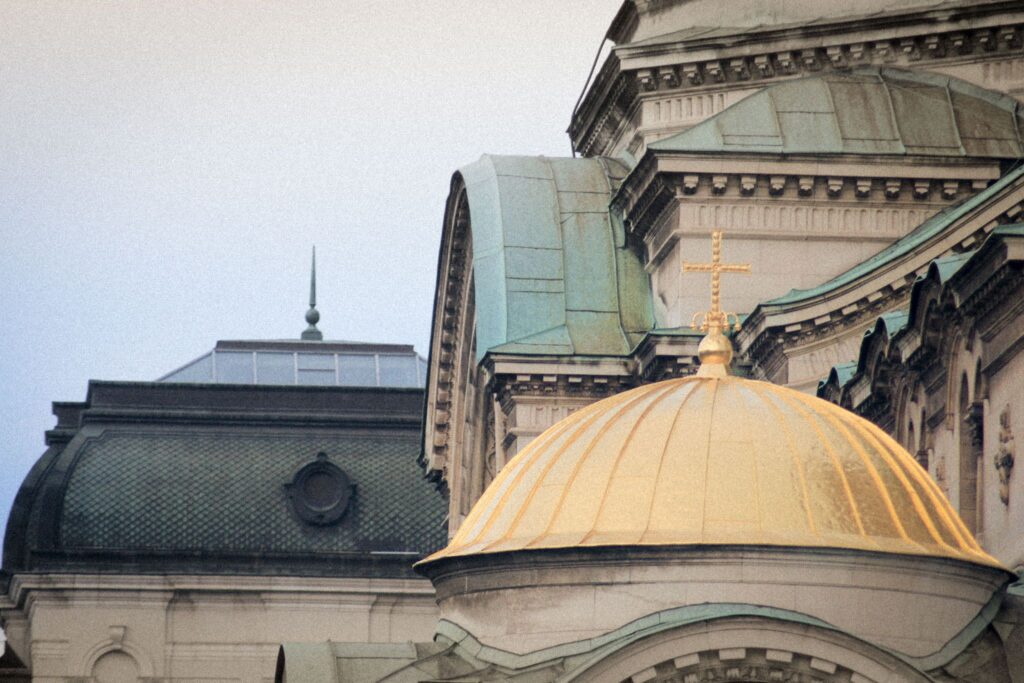
Then we have a different, yet even more monumental and ambitious structure — the National Palace of Culture, a product of the megalomaniac communist era, but still architecturally unique and a remarkable sight in Sofia. On my day trips with grandma as a little child, these structures made the big difference between my hometown and the capital — so many important places, and people too. I suppose there was a moment back then when the capital became so interesting that it drew my path forward.
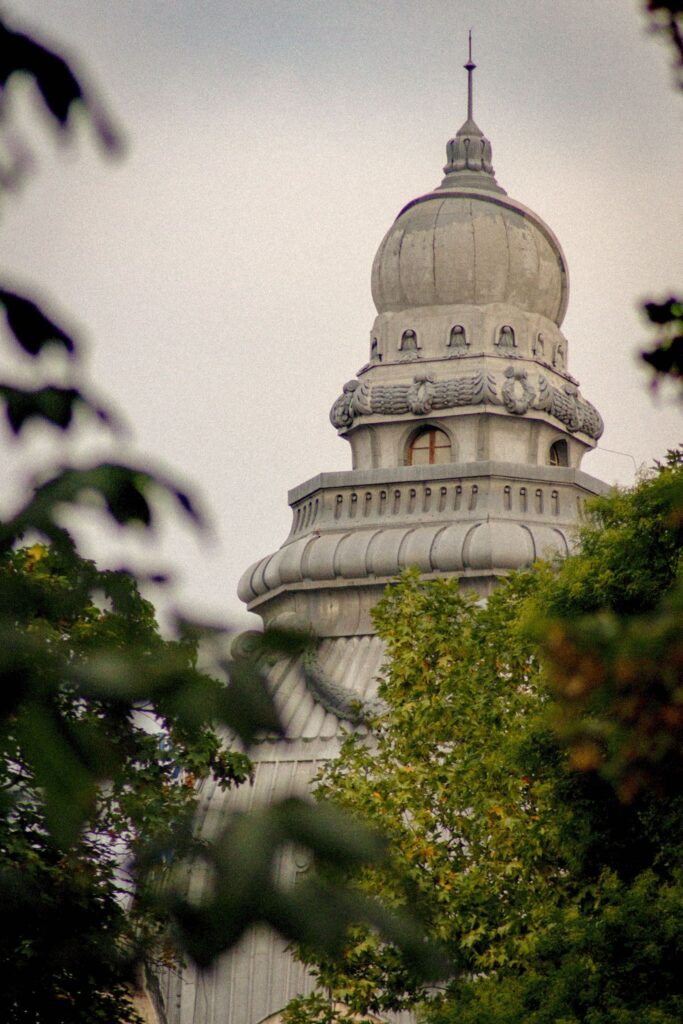
Sofia is also proud to be located at the foot of the Vitosha mountain, with its highest peak of 2,290m, Cherni Vrah. It’s a rare geographical given to be able to reach a high mountain by bus and cable car in under an hour, even if the final stretch to the actual summit is still on foot. Vitosha has been looking over the city ever since, and has overheard all kinds of stories about itself — including one that it’s a sleeping volcano, and that we all exist at its mercy. Thankfully, it isn’t patiently waiting to disrupt our lives forever, and has been willing to unveil its secrets instead — the best viewpoints to see all of Sofia.
I think that part about the volcano was Sofia daring to dream big, in the wrong direction — reaching for one big story, when it was never going to be found in a single volcano, a single cathedral, or an accidental lake in Druzhba. And while any big city can hold this kind of excitement — the sense that something extraordinary might happen simply because so many streets, so many lives, are pressed together in one place — Sofia is where I learned to look for it.
At that train station, waiting with my grandma. Thousands of kilometers later, still looking.
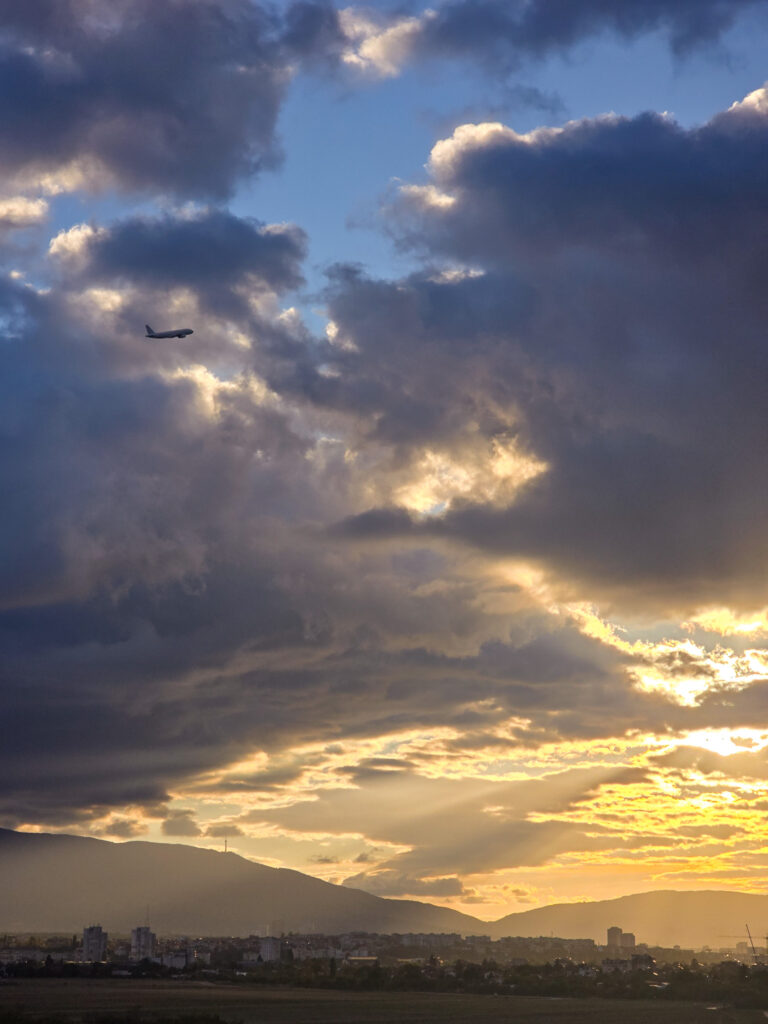
Burgas will host Eurovision this May, not Sofia. I think I’m glad for it, mostly. This city never needed millions of strangers arriving to prove any of its faces to me.
Check the map below for a guide to all places mentioned, and more:
*consider opening times may differ